Alfieri Concept Car
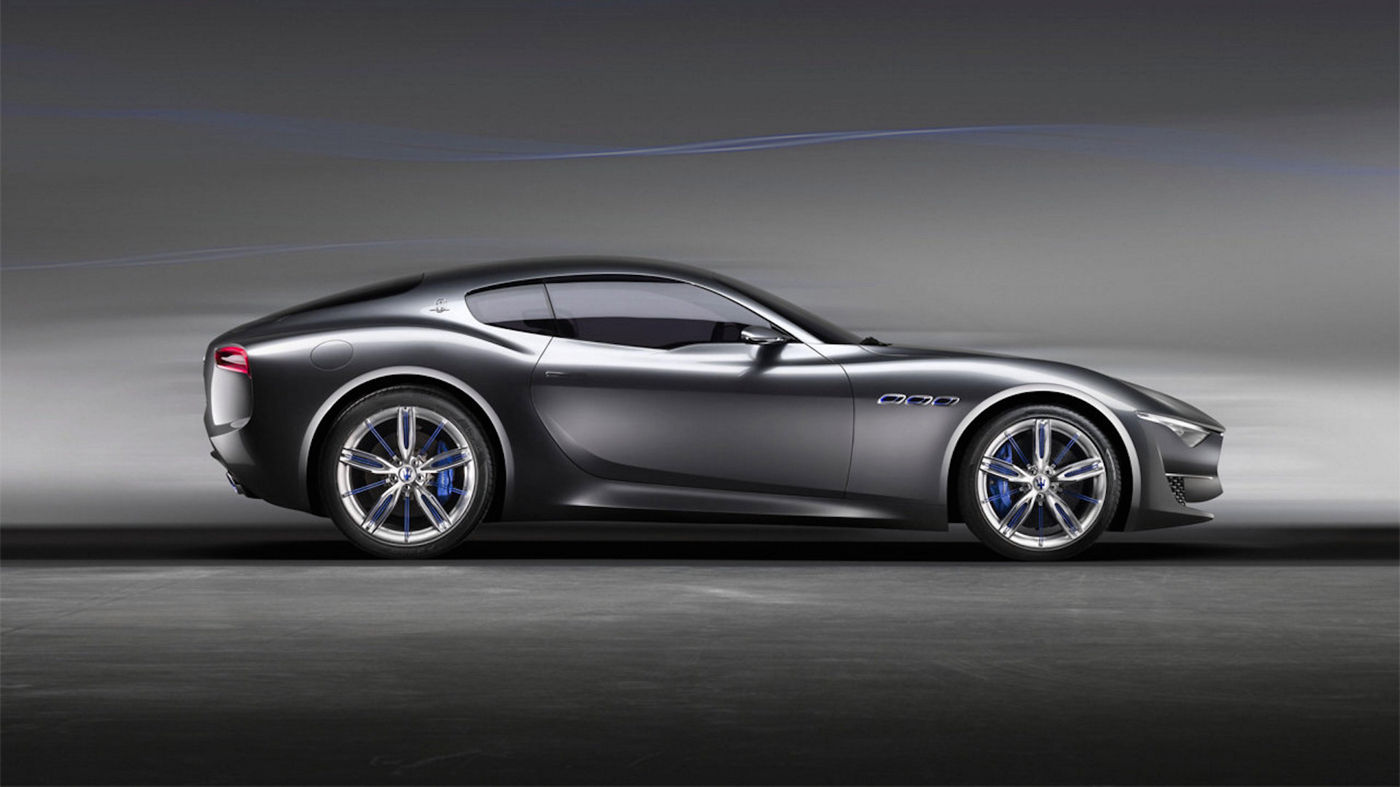
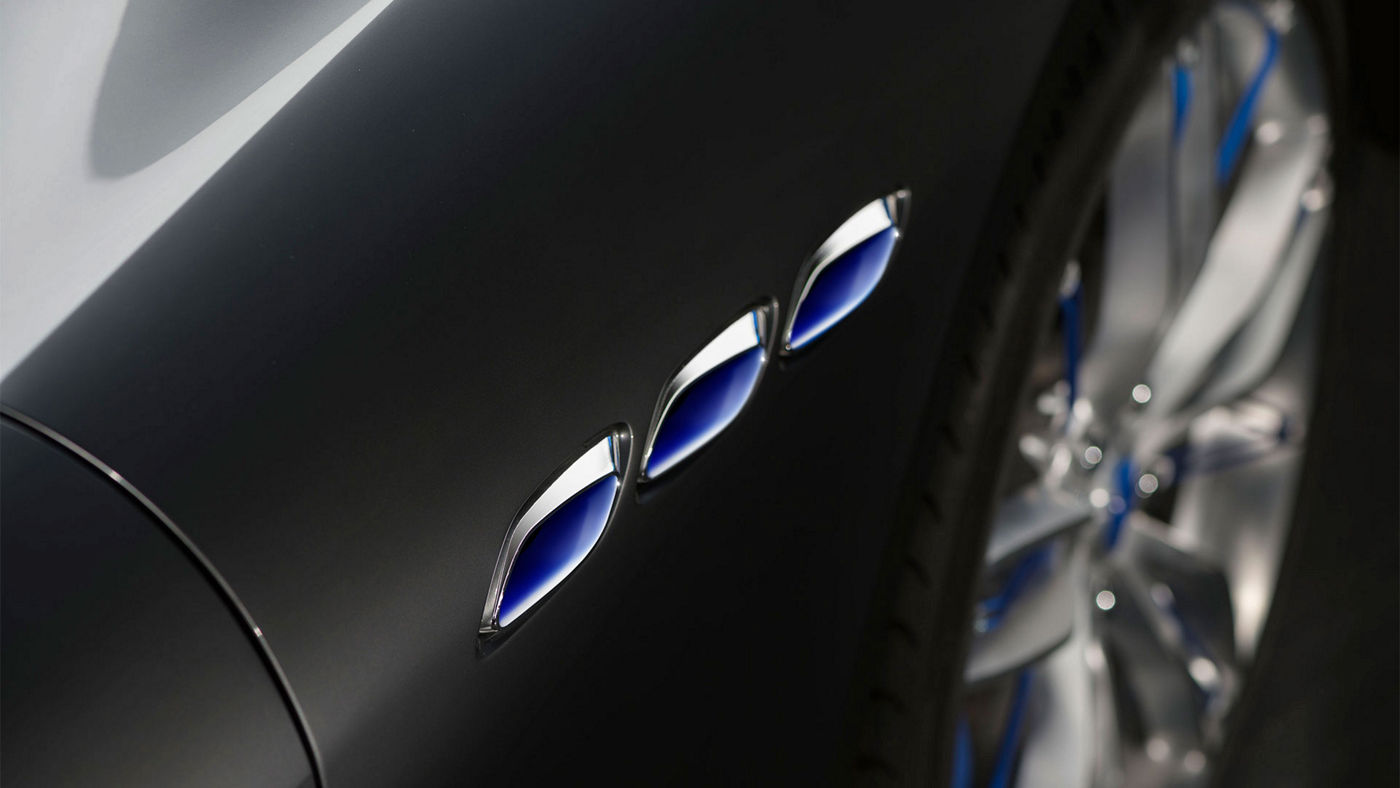
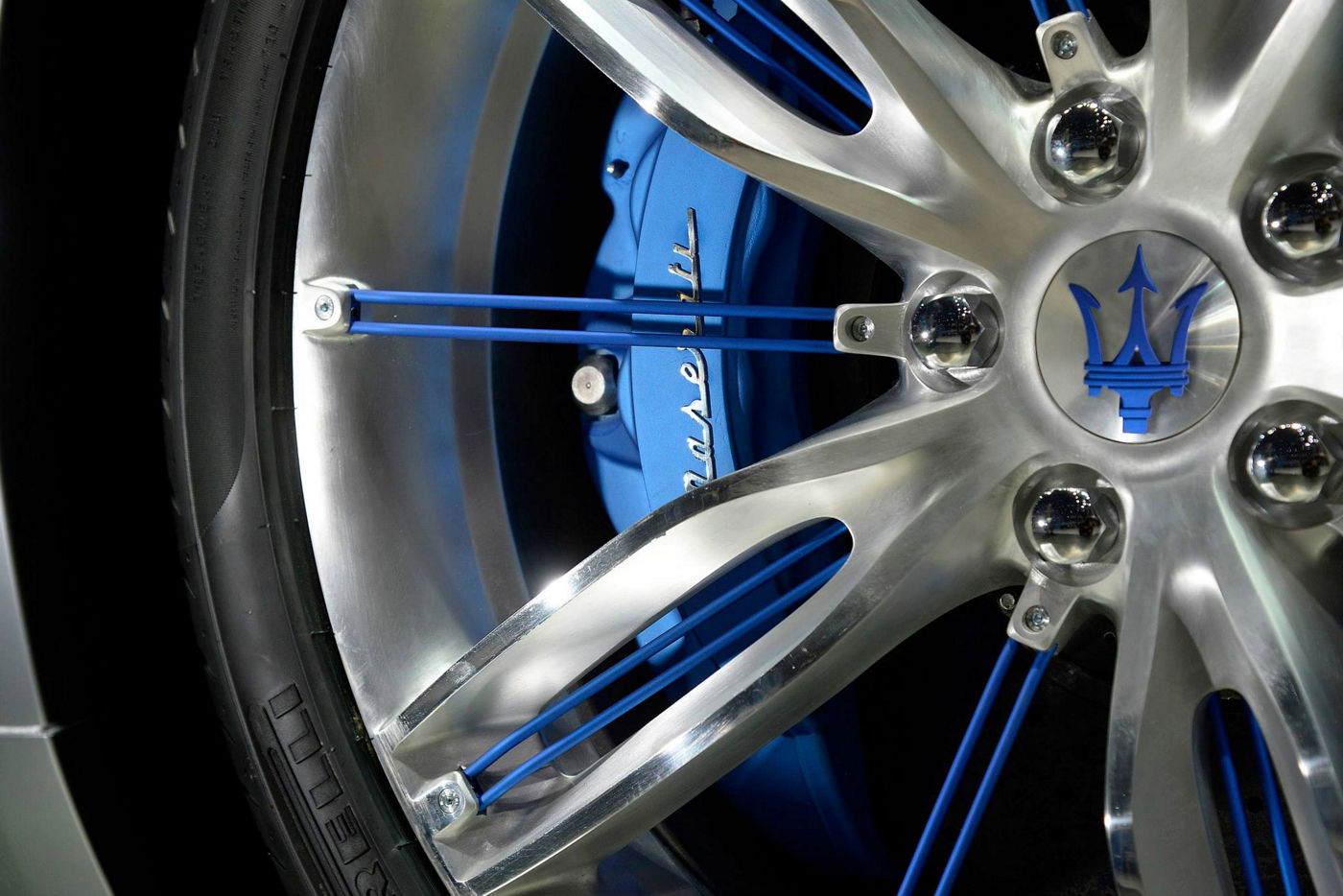
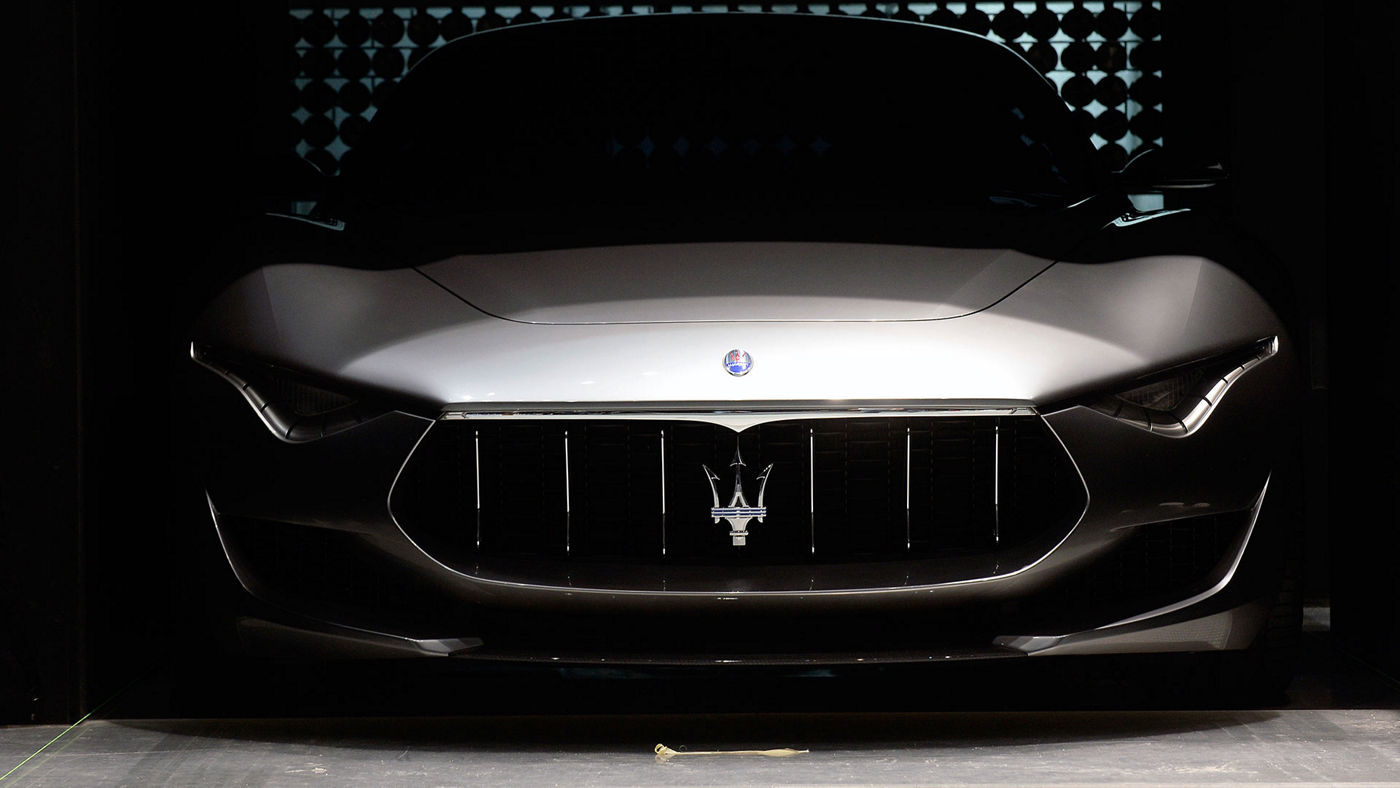
Maserati Alfieri is our homage to Maserati's sports heritage and it is the future of Maserati design.
Our experts are currently offline. Leave your details and we’ll contact you as soon as we’re back.
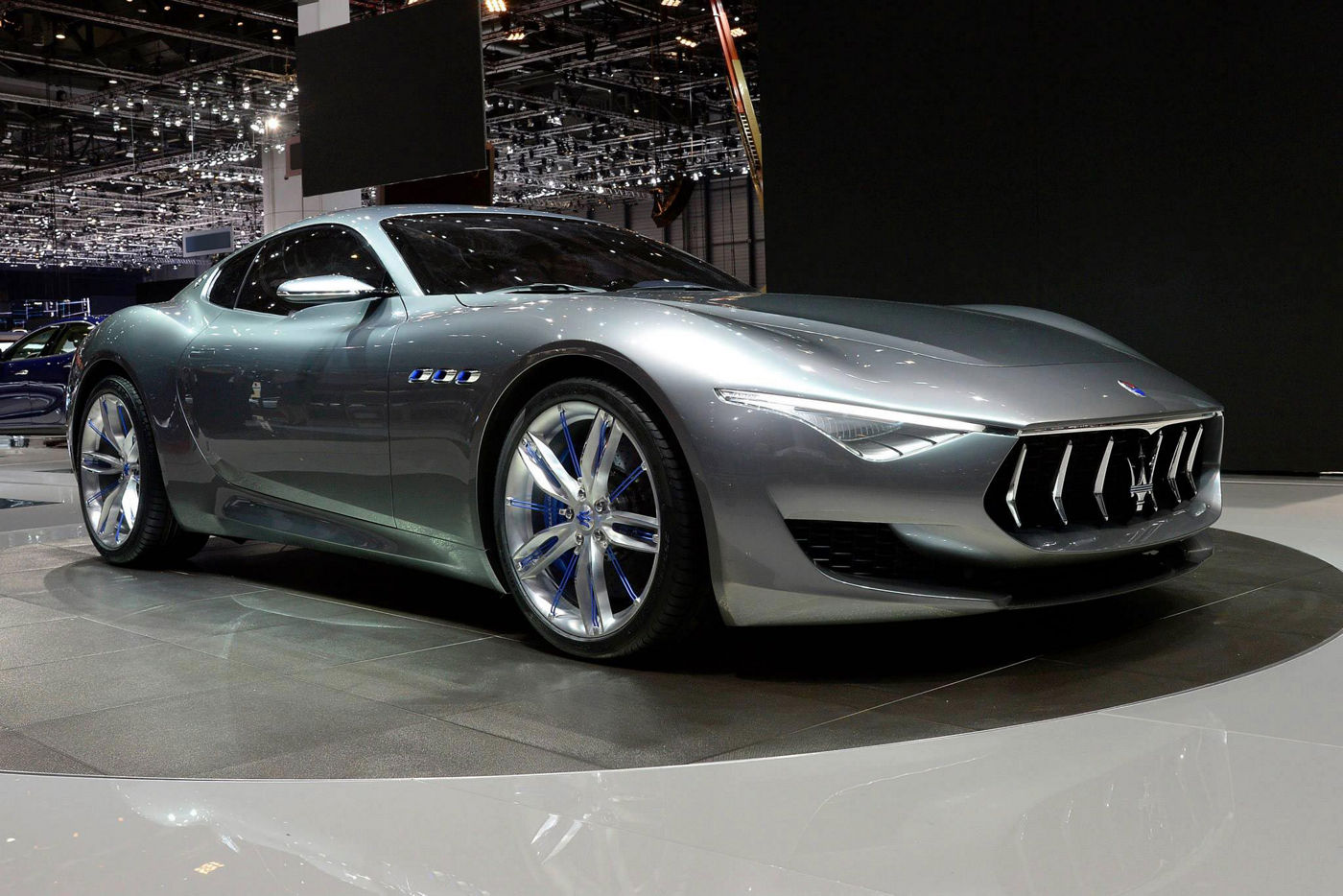
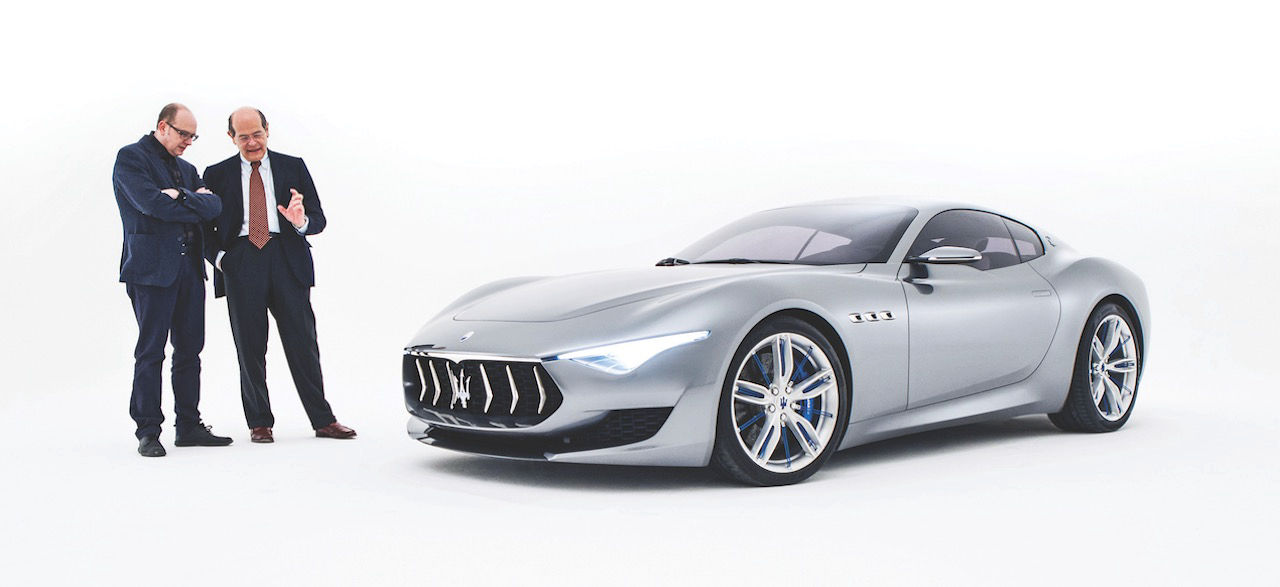
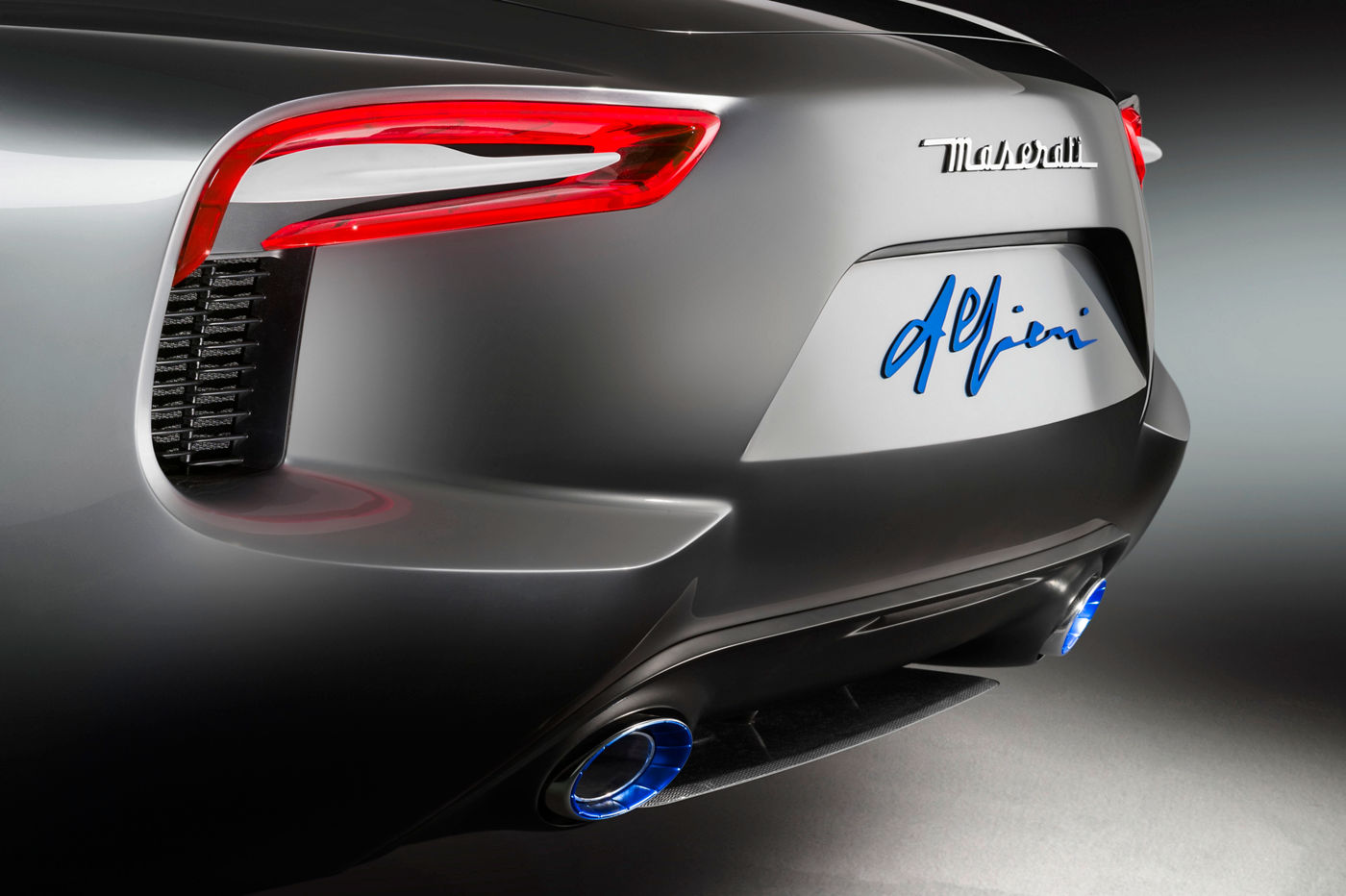
The deep, concave grille lacks the normal chrome surround at the bottom, so it seems to float. The glasshouse area is clean, and the rear end has its corners cut back. Right here, Marco Tencone explained, is one of the clearest differences between Italian and, say, German design languages.
“The idea of the rear is to not have a lot of metal at the rear behind the wheel. This is a sort of trick. The way to play with the volumes [of the shapes] is close to the heart of the Italian way to think about cars. In the Italian school, the idea has always been to play with [shapes] to make the cars look lighter than they really are.”
He went on to explain that the German designers don’t necessarily care if they show a strong, heavy looking car. For Italians, however, “the light weight and feel of the design is very important, and that’s why we balance the round and the square. Everything is pulled in so as not to give the feeling of a massive car. You see a lot of athletic Italian designs, but not many muscular Italian designs.”
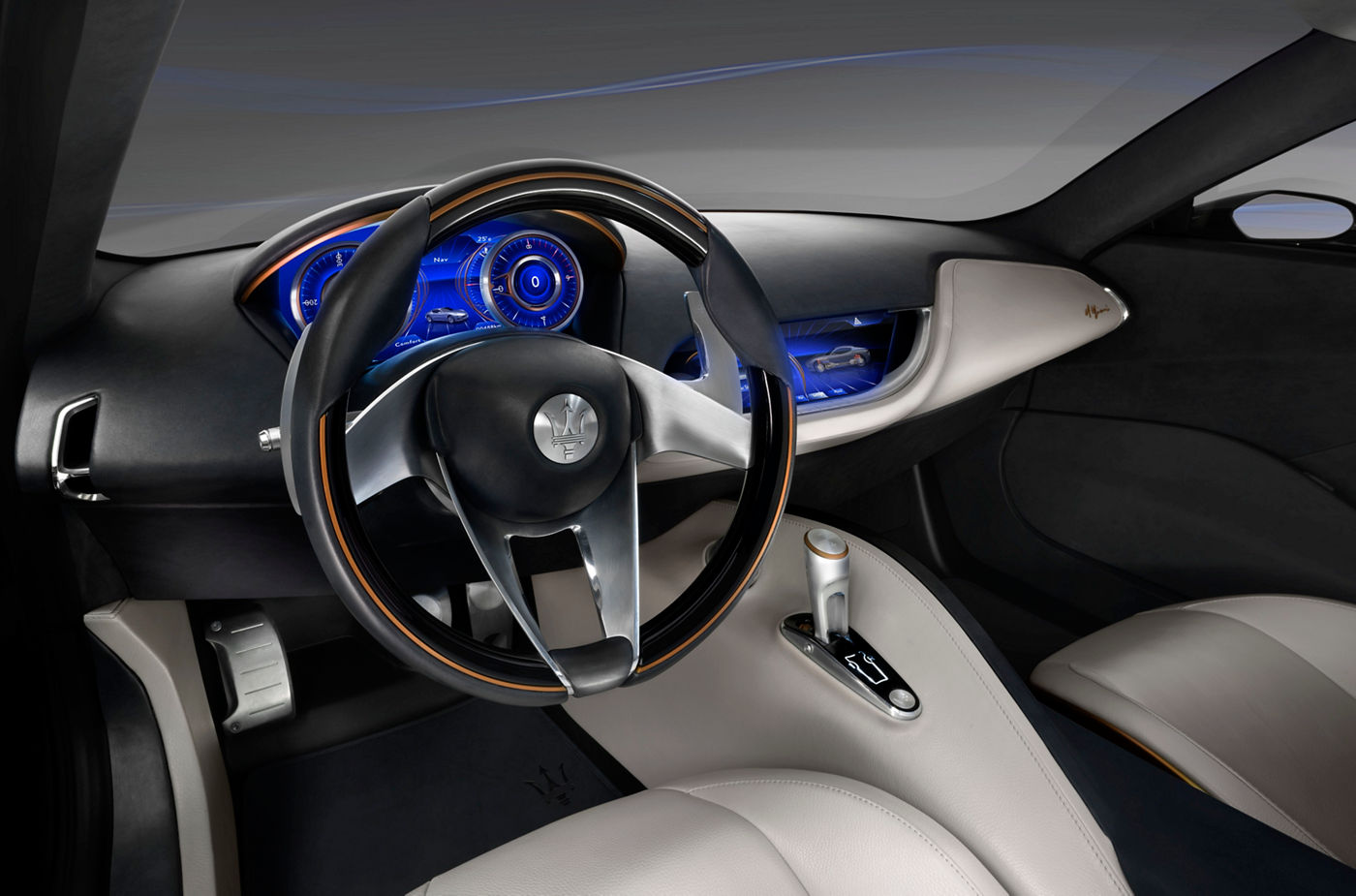
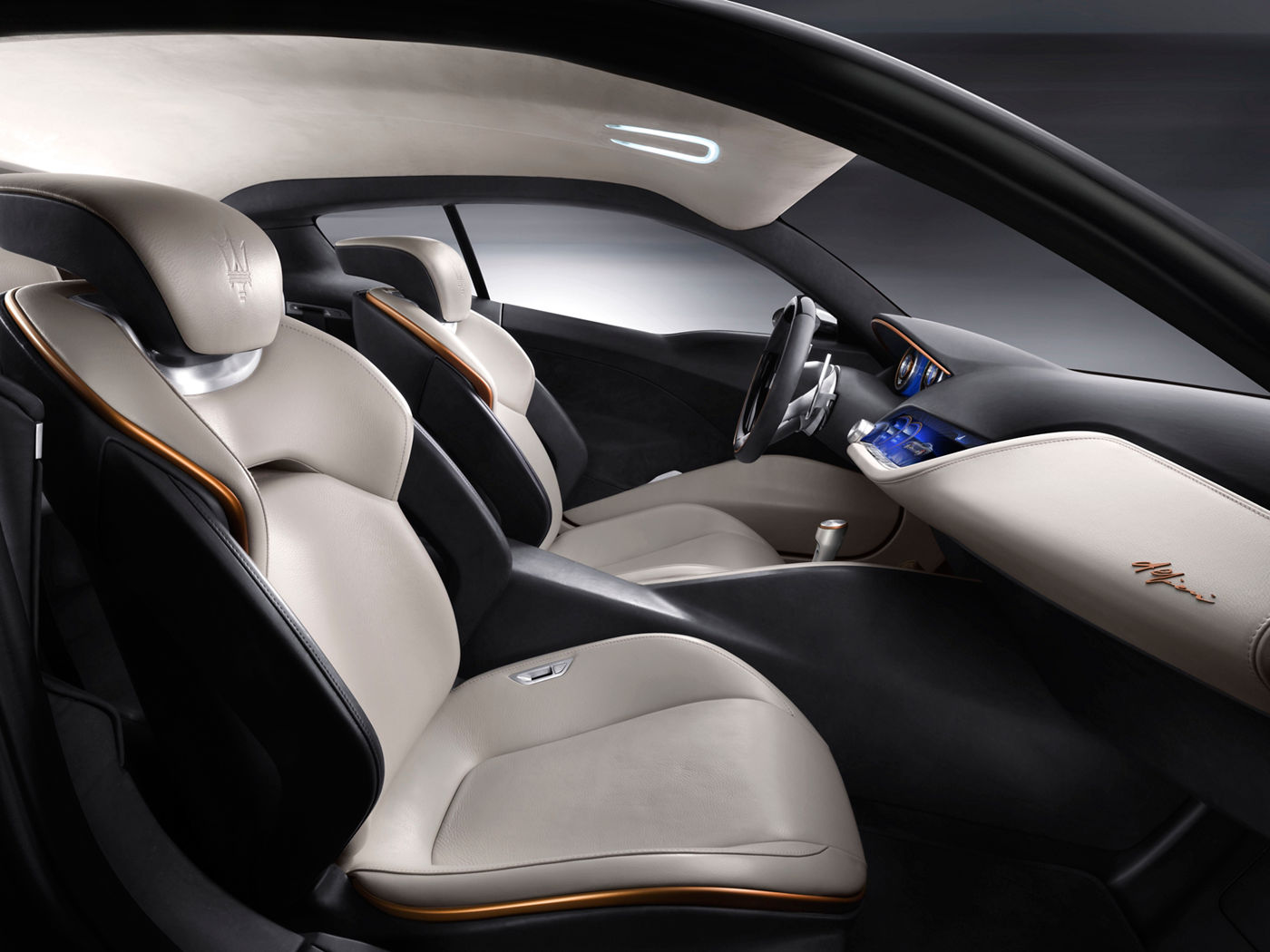
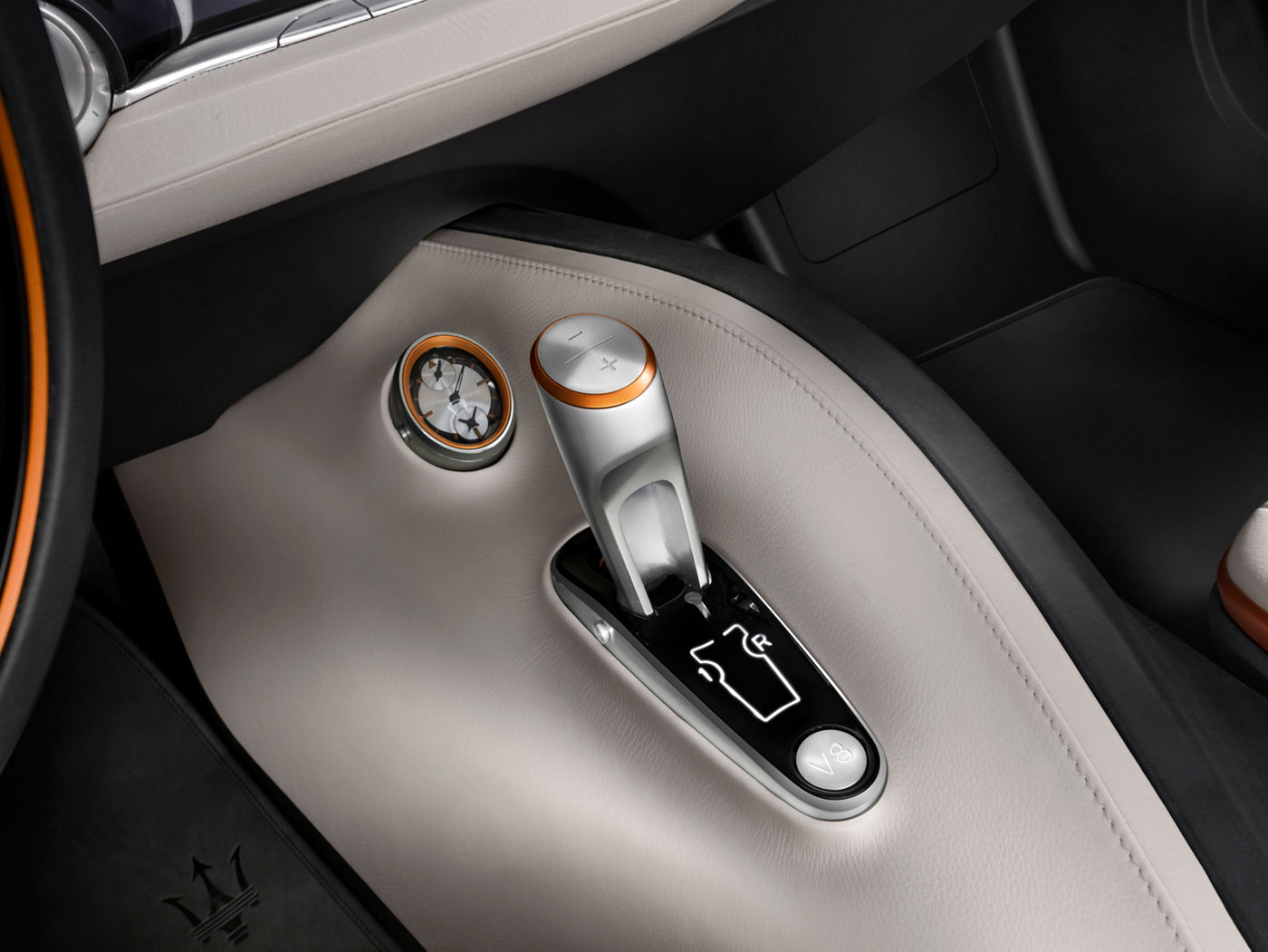
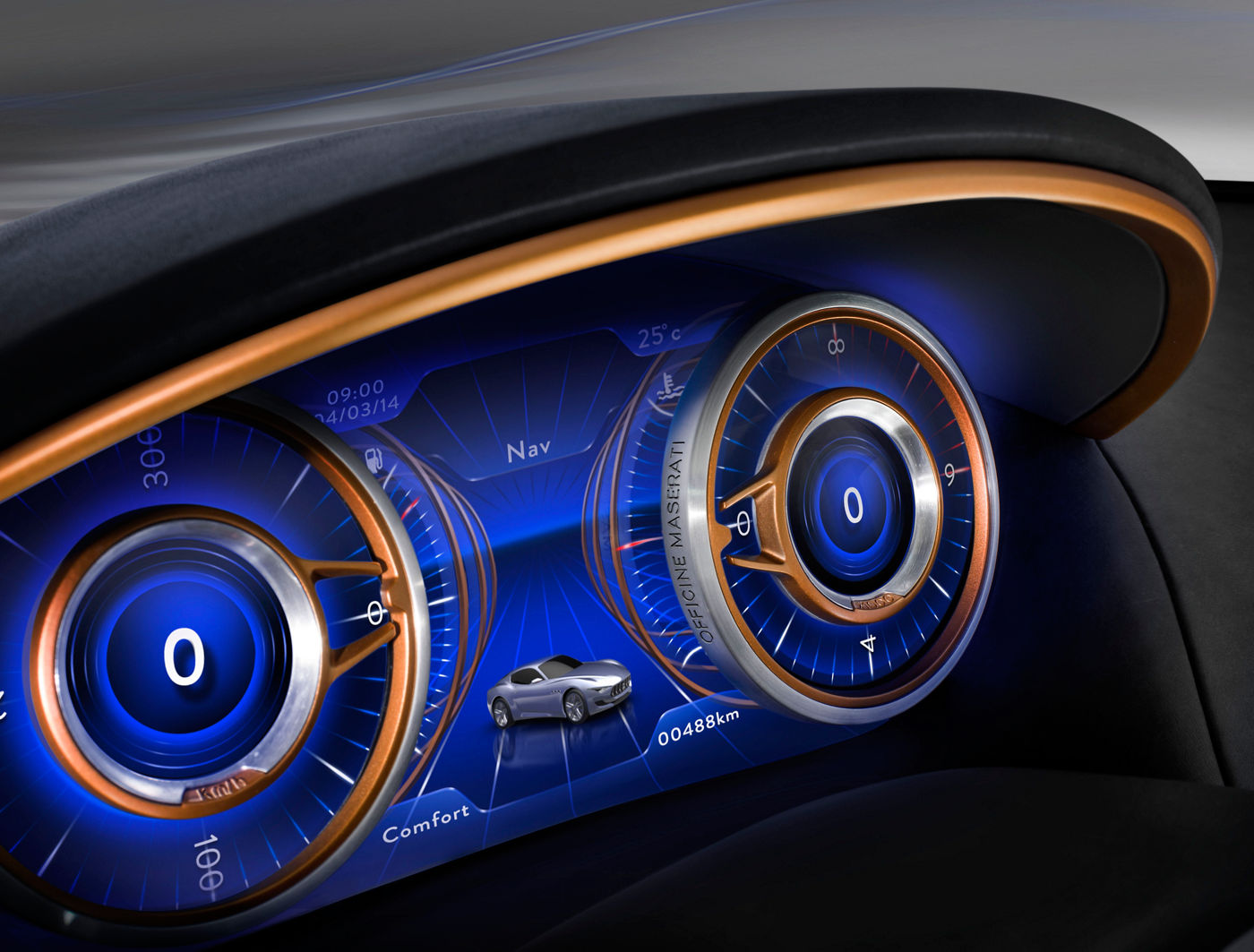
"I am not that much interested in the technological show-off that a lot of interiors are today, we wanted to make something clean and simple, and the interior is planned in that way. The interior, all of it, is just one line really. There is almost nothing inside it."
Lorenzo Ramaciotti
"We don’t have a recipe to make cars, every time you do it, it is a kind of new adventure. It’s a new journey to an unknown country, and all we knew was that we wanted to do a sports car."
Marco Tencone
A name that is much more than a name





International
Africa
Europe
America
Asia
Middle-east
Oceania
Africa
Europe
America
Asia
Middle-east
Oceania